On Friday, February 7 I will be leaving for a residency at Createspace, in Y Ferwig, Wales. I will be gone one month. I cannot wait to play with dragons. https://www.youtube.com/watch?v=ZBl7ZFI-QP8
A poem in Welsh that I have fallen in love with by the 14th century Welsh poet Dafydd ap Gwilym Y Gwynt or The Wind . Magically enough, it is set in the county in Wales where I will be staying, Ceredigion.
It has been years since I played around with a nice camera. My brother let me borrow his nikon dslr , and I thought it would be a good opportunity to take some new portraits of myself with a hair piece covered in dry flowers that I purchased from April from Floriculture Micro Farm . She always has such beautiful flowers and arrangements at the Hereford Farmer's Market. I've styled it with some Japanese silk ribbons of varying widths that I dyed with logwood and indigo last year.
I recently photographed two of my most recent dolls and posted them to my website. The description of the piece and Noh play it is based off of can be found through the link under the picture. I became aware of the story through a show I was lucky enough to see installed at the BMA while interning in the Textiles Department. The show was called "Kimono and Obi: Romantic Echoes from Japan's Golden Age" and it was co-curated by Anita Jones, BMA Curator of Textiles, and Ann Marie Moeller, consulting curator. My absolute favorite piece in the show was the Chuburisode Depicting 'Matsukaze' Theme . I fell in love with both the story it depicted and the idea of a young woman choosing to weara kimono depicting a tragic love story. From that point on, I have wanted to make a piece inspired by the Noh play. It finally happened this Spring/Summer, and this featured piece is the result.
These are some framed stacked hand made pieces of paper that I made while taking a "Islamic World Papermaking and Natural Dye" class at Arrowmont School of Arts and Crafts last summer. They were in a juried alumni exhibition at my alma mater Flagler College.
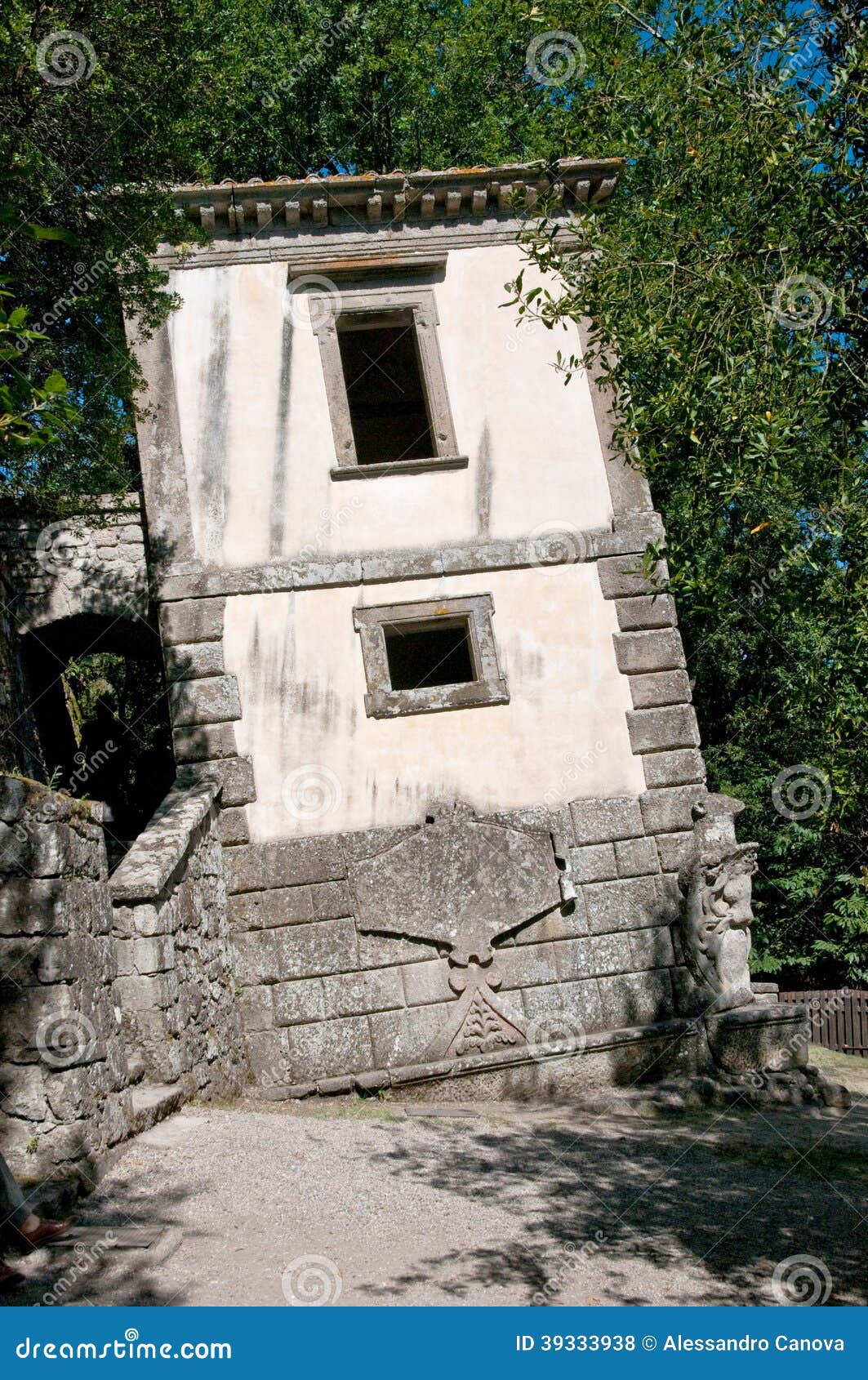
Of all the features in the gardens that I've found photos of, this leaning house is my favorite. It reminds me of a ride I used to go on when I was a little girl at Dutch Wonderland in Lancaster, Pennsylvania. Riders would enter the house and strap themselves into a swinging bench. The house would then start turning. Even though the bench would only swing, and the house was the only thing turning, it was still pretty wild for me.
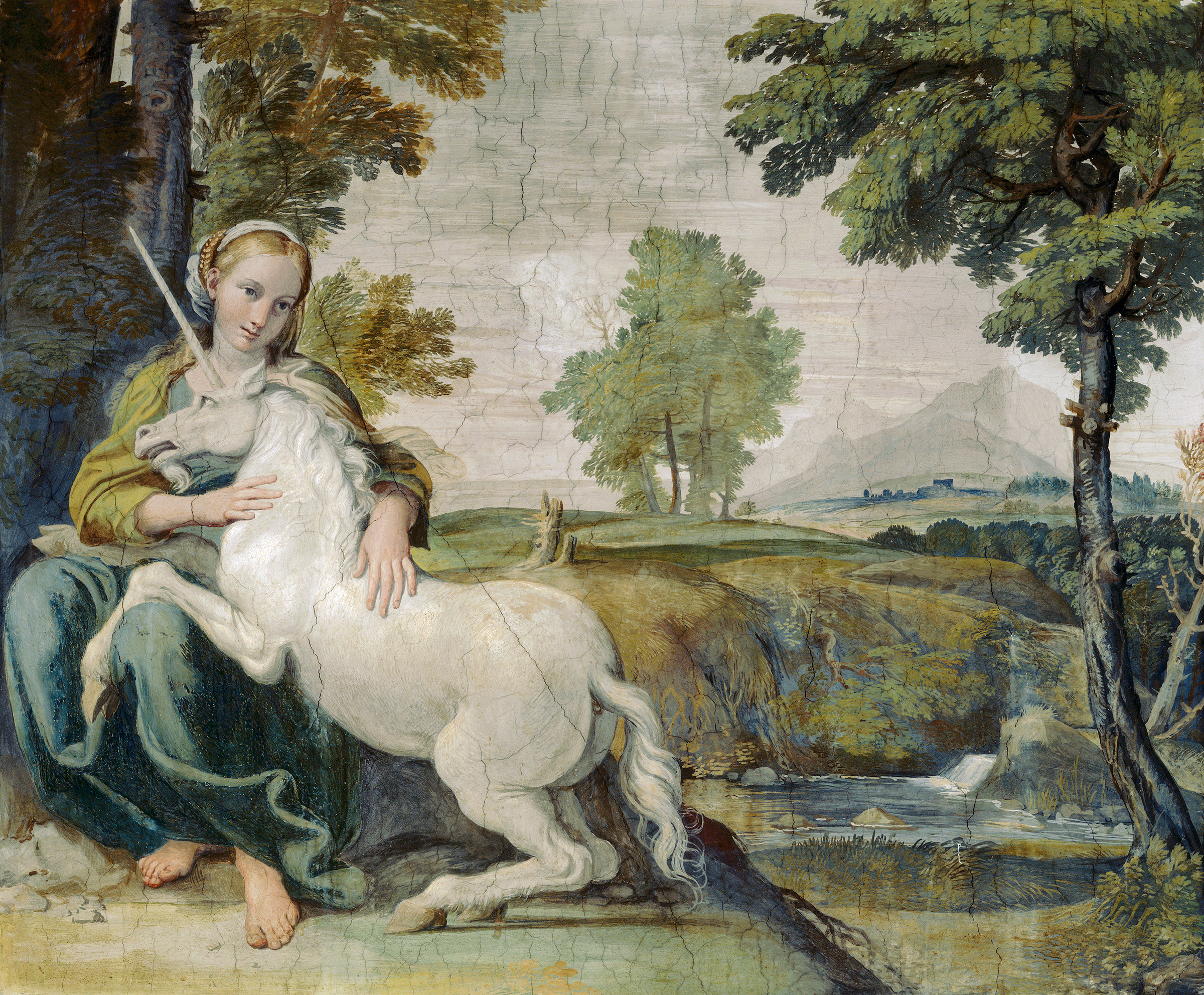
Another interesting connection that I made with this garden, is to Guilia Farnese , an historical female figure I have been drawn to in the past. Guilia was the maternal grandmother of Pier Francesco "vicino" Orsini's beloved wife who passed away, also Guilia Farnese. It is thought that features of the garden are odes to her and he constructed this garden to deal with his grief at her passing. Synchronicity.
"A Young Lady and a Unicorn," by Domenichino, c. 1602, Galleria Farnese. Portrait of Guilia Farnese
Selenography is the science of the physical features of the moon. These include the lunar maria, craters, mountains, etc. Part of the name comes from the ancient Greek goddess of the Moon, Selene.
Selene was the Greek Titan goddess of the moon. Though she is associated with other lunar goddesses Artemis and Hecate, she supersedes them as the moon personified into a divine being. Her hair was long, milky, and flowing, and she either rode across the heavens on a horse, or was pulled in a chariot by a pair of white horses bringing light to the night sky. My Selene and her Appaloosa mount have hair/mane made from milk fiber and wear silk dyed with logwood. The celestial horses' spots are avocado in an iron after bath.